Practicalities · 4 min read实用信息 · 约 4 分钟
Eating Kazakh吃在哈萨克
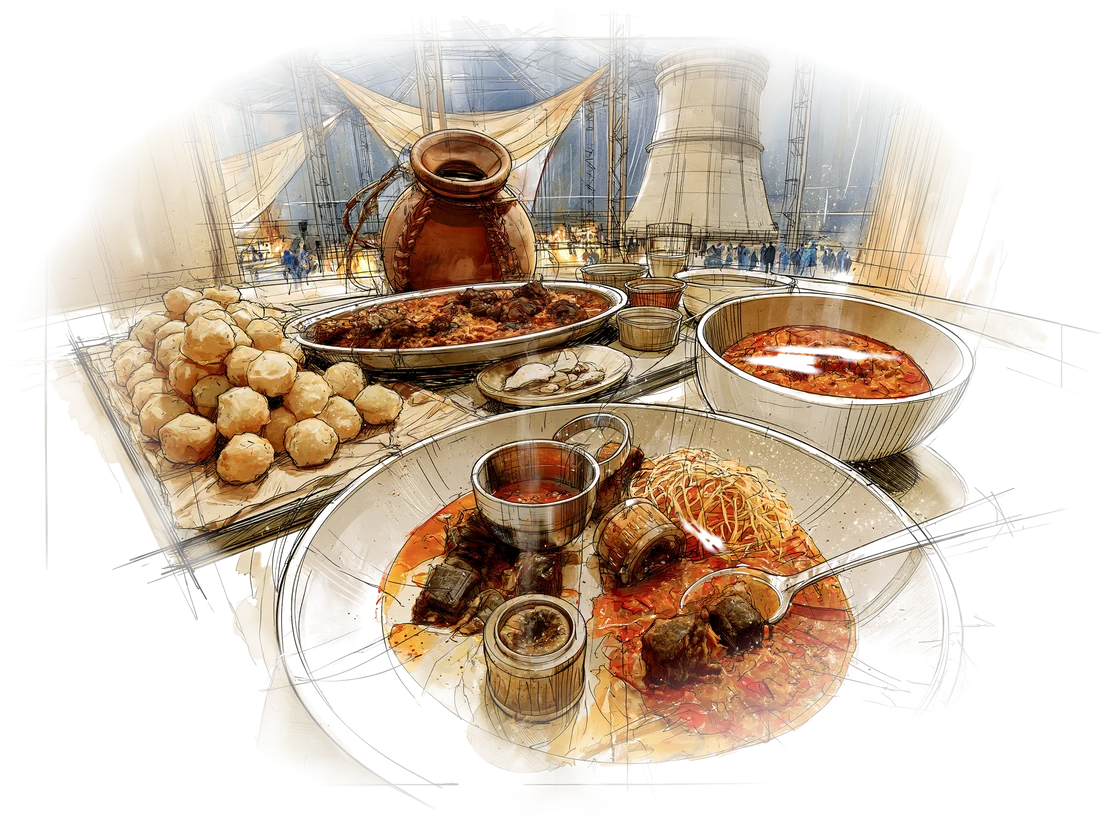
Beshbarmak, baursak, kazy, kumys and shubat, Uyghur lagman, bowls of milky tea, and AUYL's neo-nomad cooking.别什巴尔马克、包尔萨克、马肠、马奶酒和驼奶、维吾尔拉条子、一碗碗奶茶,还有 AUYL 的新游牧菜。
Kazakh cooking comes from the saddle and the yurt: meat, dough and milk, prepared in ways that traveled well and fed a lot of people. Layered on top are two centuries of Russian influence and the cooking of the country's many neighbors and minorities: Uyghur, Uzbek, Korean, Tatar. The result is hearty, generous and, if you like lamb, very good.
The table: dastarkhan
Hospitality is the organizing idea. A dastarkhan is both the tablecloth and the spread laid on it, and a proper one is covered before the main course even appears: bread, baursak, dried fruit, nuts, sweets, salads, and endless tea. Guests are fed until they give up. It's polite to at least taste things, and nobody expects you to finish.
The dishes
- Beshbarmak. The national dish. The name means "five fingers," because it was traditionally eaten by hand. Boiled meat (lamb, beef or horse) is served over wide, flat sheets of boiled noodle dough, topped with onions cooked in the broth, with the broth (sorpa) on the side. At a feast the host carves and hands out cuts according to a guest's age and status.
- Baursak. Puffy little pieces of fried dough, somewhere between a doughnut and a bread roll. On every table, at every meal, and addictive with tea and butter or jam.
- Kazy. A rich horse-meat sausage made with the rib meat and fat, often served in thick slices on a platter with other cold cuts (shuzhuk is a similar sausage). Horse meat is a delicacy here, not a curiosity.
- Kuyrdak. A fry-up of liver, heart, kidneys and meat with onions. A countryside favorite.
- Plov. Rice cooked with carrots, onions and lamb in a big kazan (cauldron), shared across Central Asia and especially loved in Uzbek cooking.
- Lagman. Hand-pulled noodles in a spicy stir-fry of meat, peppers and vegetables, or in a soup. This is Uyghur food, and the Uyghur community in and around Almaty makes the best of it. If you've eaten la tiaozi in Xinjiang or Lanzhou-style noodles, you'll recognize the family.
- Manty and samsa. Big steamed dumplings, and flaky baked pastries from a tandoor, both usually filled with lamb and onion.
- Shashlyk. Grilled meat skewers, everywhere.
Things to drink
- Tea (shai). The real national drink. Kazakhs drink it strong and black, usually with milk, poured into wide bowls (kese). Hosts pour only a little at a time so it stays hot and they can keep refilling. When you have had enough, cover the bowl with your hand or say so.
- Kumys. Fermented mare's milk, slightly sour, slightly fizzy and faintly alcoholic. It's an acquired taste, and it's worth one sip for the story.
- Shubat. Fermented camel's milk, thicker and milder than kumys. It's especially common in the west, so Mangystau is the place to try it.
- Ayran. A tangy salted drinking yogurt, often sold chilled in bottles.
AUYL: neo-nomad cuisine
For the Almaty dinner we're going to AUYL (the name means "village"), a restaurant in the mountain valley toward Medeu. AUYL calls its food "neo-nomad cuisine": Central Asian traditions built on water, flour and meat, cooked over open fire, in a kazan, on a mangal grill and in a tandoor, then reworked for a modern table. Dishes reported by visitors include horse tartare, tandoor-baked samsa, patyr flatbread with kaimak (thick cream), and a kumys-based dessert or cocktail.
The space is part of the draw. It sits in a repurposed Soviet-era building, filled with work by local craftspeople in wood, felt and textiles. In 2024 the restaurant was recognized by the Prix Versailles, the UNESCO-backed architecture and design award, and it is listed in The World's 50 Best Discovery guide, the curated collection of restaurants recommended by the 50 Best organization. Book ahead, and allow time for the drive up the valley.
Where else to eat
- Green Bazaar, Almaty. Tastes of kazy, dried fruit, honey, cheese and Korean salads. Buy some apples.
- Uyghur cafés for lagman and manty. Cheap, fast, delicious.
- Camp food in Mangystau. Usually plov or a meat stew from the kazan, bread, tea, and whatever the guide brought from Aktau. Eating it under that many stars is half the flavor.
First the tea, then the baursak, then the meat, then more tea. A Kazakh meal is measured in refills.
哈萨克菜来自马背和毡房:肉、面、奶,做法都讲究耐储存、好携带、能喂饱一大家子人。在这之上,又叠了两百年的俄罗斯影响,以及周边邻国和境内各少数民族的饮食:维吾尔、乌兹别克、朝鲜、鞑靼。结果就是扎实、大方,如果你爱吃羊肉,会非常对胃口。
餐桌:dastarkhan
一切围绕“待客”展开。dastarkhan(达斯塔尔汉)既指桌布,也指铺在上面的一整桌吃食。像样的一桌,主菜还没上就已经摆满了:馕、包尔萨克、干果、坚果、糖果、凉菜,外加喝不完的茶。客人要被一直喂到投降为止。每样至少尝一口是礼貌,没人指望你全吃完。
菜
- 别什巴尔马克 beshbarmak。 国菜。名字意思是“五根手指”,因为传统上是用手抓着吃。煮好的肉(羊肉、牛肉或马肉)铺在宽大的煮面片上,浇上用肉汤煨过的洋葱,肉汤(sorpa)另盛一碗。在宴席上,由主人亲手切肉,按客人的年纪和身份分配部位。
- 包尔萨克 baursak。 蓬松的小块油炸面团,介于甜甜圈和小面包之间。每张桌上、每顿饭都有,配茶、配黄油或果酱,一吃就停不下来。
- 马肠 kazy。 用马肋条肉和脂肪灌成的香肠,油润浓郁,常切成厚片,和其他冷盘一起装盘上桌(shuzhuk 是类似的一种马肠)。马肉在这里是珍馐,不是猎奇。
- Kuyrdak(奎尔达克)。 肝、心、腰子和肉加洋葱一锅炒,乡下人的最爱。
- 抓饭 plov。 米饭和胡萝卜、洋葱、羊肉一起在大 kazan(铁锅)里焖熟,中亚各地都有,乌兹别克人尤其钟爱。
- 拉条子 lagman。 手拉面,配肉、辣椒和蔬菜爆炒,或者做成汤面。这是维吾尔族的吃食,阿拉木图及周边的维吾尔社区做得最好。在新疆吃过拉条子、或者吃过兰州拉面的话,一尝就知道是一家子。
- Manty 和 samsa。 前者是大个儿的蒸包子,后者是馕坑里烤出来的酥皮烤包子,馅儿一般都是羊肉洋葱。
- Shashlyk。 烤肉串,哪儿都有。
喝什么
- 茶(shai)。 真正的国饮。哈萨克人喝浓红茶,通常加奶,倒在宽口的碗(kese)里。主人每次只倒一点,好让茶一直是热的,也方便不停地续。喝够了,就用手盖住碗口,或者直说。
- 马奶酒 kumys。 发酵的母马奶,微酸、微微冒泡,带一点点酒精。口味需要适应,但为了这个故事,值得抿一口。
- 驼奶 shubat。 发酵的骆驼奶,比马奶酒稠,也更温和。西部尤其常见,所以要尝就在曼格斯套尝。
- Ayran(艾兰)。 带咸味的酸奶饮料,常装瓶冰镇着卖。
AUYL:新游牧料理
阿拉木图那顿晚餐,我们去 AUYL(意思是“村庄”),一家开在通往麦迪奥的山谷里的餐厅。AUYL 管自家的菜叫**“新游牧料理”**(neo-nomad cuisine):以水、面粉和肉为根基的中亚传统,用明火、kazan 铁锅、mangal 烤架和馕坑来做,再为现代餐桌重新演绎。据食客反馈,吃到过的菜有马肉鞑靼、馕坑烤包子、配 kaimak(浓奶油)的 patyr 馕,还有一道以马奶酒为底的甜品或鸡尾酒。
空间本身也是看点。餐厅由一栋苏联时期的老建筑改造而来,里面满是本地手艺人的木作、毛毡和织物。2024 年,它获得了联合国教科文组织支持的建筑与设计奖项凡尔赛奖(Prix Versailles)的认可,并被收入 The World's 50 Best Discovery,也就是“全球 50 佳”机构精选推荐的餐厅名录。记得提前订位,并给上山的车程留出时间。
别处还能吃什么
- 阿拉木图绿色巴扎。 尝尝马肠、干果、蜂蜜、奶酪和韩式凉菜,再买几个苹果。
- 维吾尔小馆,吃拉条子和 manty。便宜、快、好吃。
- 曼格斯套的营地饭。 一般是抓饭或者 kazan 里炖的一锅肉,配馕和茶,再加上向导从阿克套带来的东西。在那么多星星底下吃,味道先好了一半。
先上茶,再上包尔萨克,再上肉,然后再续茶。一顿哈萨克饭,是用续了几轮茶来计量的。
Where this shows up on the trip行程里对应的日子